





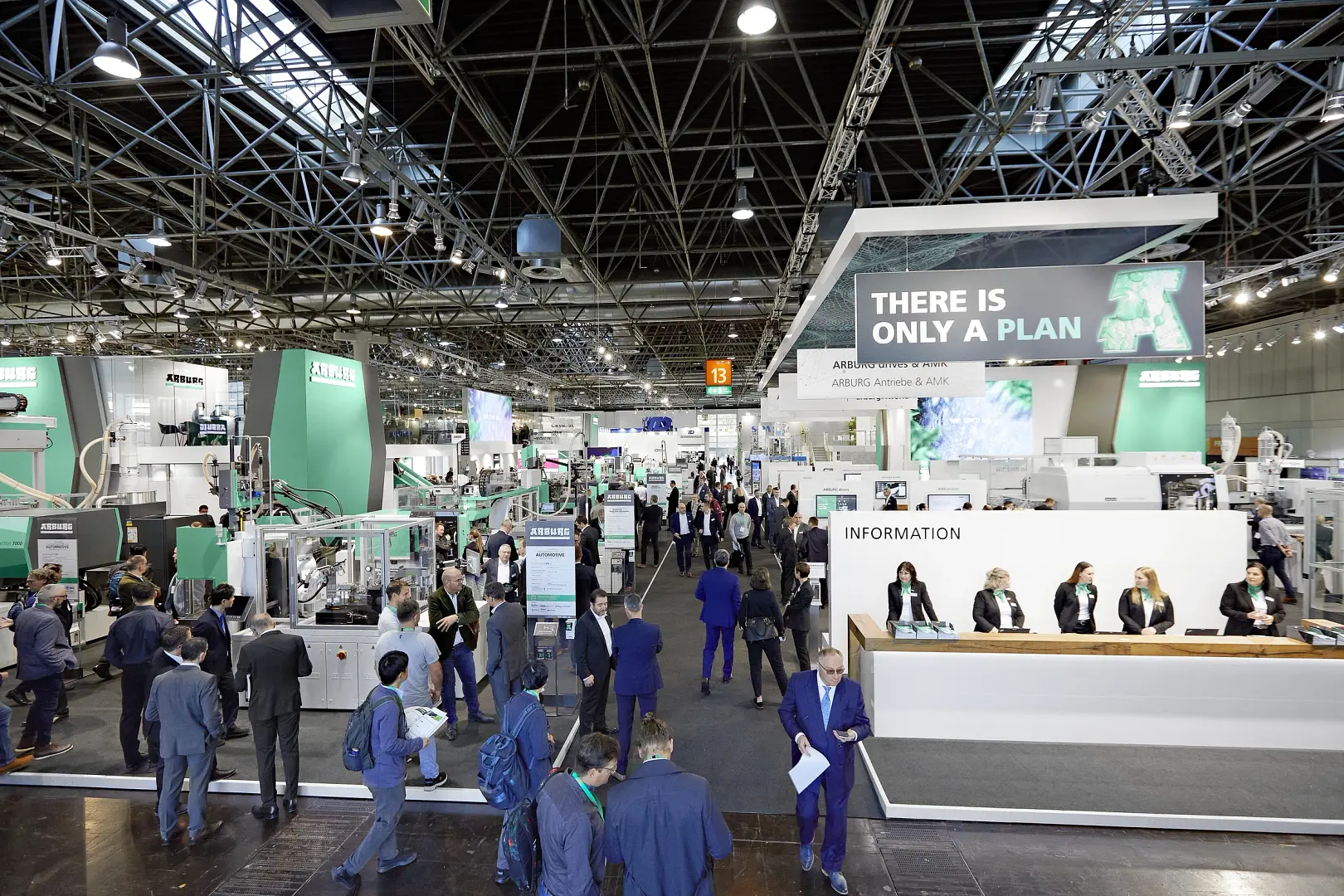
K-Messe ends in 2025 — but the real work starts in 2026.
Historically, the year after K-Messe is when:
- Pilot projects become real investments
- Partnerships are finalized
- Technology moves from “demo” to “deployment”
After K-Messe 2025, many companies will go home with:
- New equipment suppliers
- New recycling partners
- New sustainability commitments
And in 2026, they will need to implement them.
This is why you will see a growing number of:
- Regional plastics summits
- Circular economy forums
- Processing and recycling conferences
- OEM and materials innovation events
All designed to answer one question:
How do we actually make what we saw at K-Messe work in the real world?
The Rise of Smaller, Smarter Industry Events in 2026
Large trade fairs create visibility.
But real transformation happens in smaller, focused environments.
In 2026, expect more events that focus on:
- Recycling plant optimization
- Polymer quality from waste streams
- Automotive & packaging circularity
- Digital tracking of plastic materials
These events will bring together:
- Material suppliers
- Machinery builders
- Brand owners
- Regulators
Not to show machines — but to solve specific problems.
For companies that missed visibility at K-Messe, 2026 will be the perfect year to step forward.
How Companies Should Use K-Messe 2025 Strategically
K-Messe is not just about being seen.
It is about setting your direction for the next three years.
Smart companies will use K-Messe 2025 to:
- Identify future-proof technologies
- Secure recycling and material partners
- Position themselves as sustainability leaders
- Prepare for new EU and global regulations
Then in 2026, they will:
- Roll out new products
- Upgrade factories
- Enter new circular supply chains
- Show measurable results
Those who wait will fall behind.
The Big Picture
K-Messe 2025 will mark the end of the old plastics era — where volume and price ruled everything.
2026 and beyond will belong to companies that can offer:
- Verified sustainability
- Circular materials
- Digital transparency
- High-performance, low-carbon production
The exhibition halls in Düsseldorf will start the story.
But the real transformation will happen in factories, supply chains, and specialized industry events throughout 2026.
And the companies that act early will define what the plastics industry looks like for the next decade.